Black History Month Reflections from the Sickle Cell Community
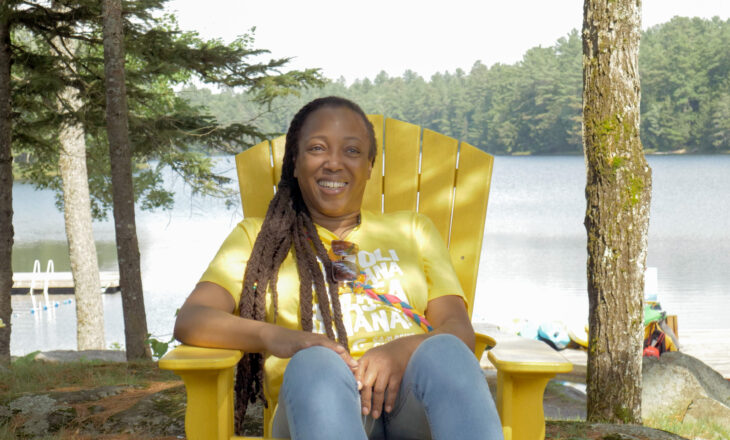
Black History Month offers an opportunity to honour the resilience, leadership, and lived experiences of Black people and their communities.
Judy Grandison is a longtime community advocate and mother whose son lives with sickle cell disease — a genetic blood disorder that disproportionately affects Black communities. Despite being one of the most common genetic conditions globally, sickle cell disease remains under-resourced and often stigmatized.
Judy has seen how stigma follows children with sickle cell disease from an early age. Pain crises, a common complication that can feel like being “stabbed with the sharpest piece of glass,” as her son once described, can be met with skepticism in emergency rooms. Symptoms such as jaundice, fatigue, slowed growth, or mobility issues can cause kids to feel isolated or misunderstood.
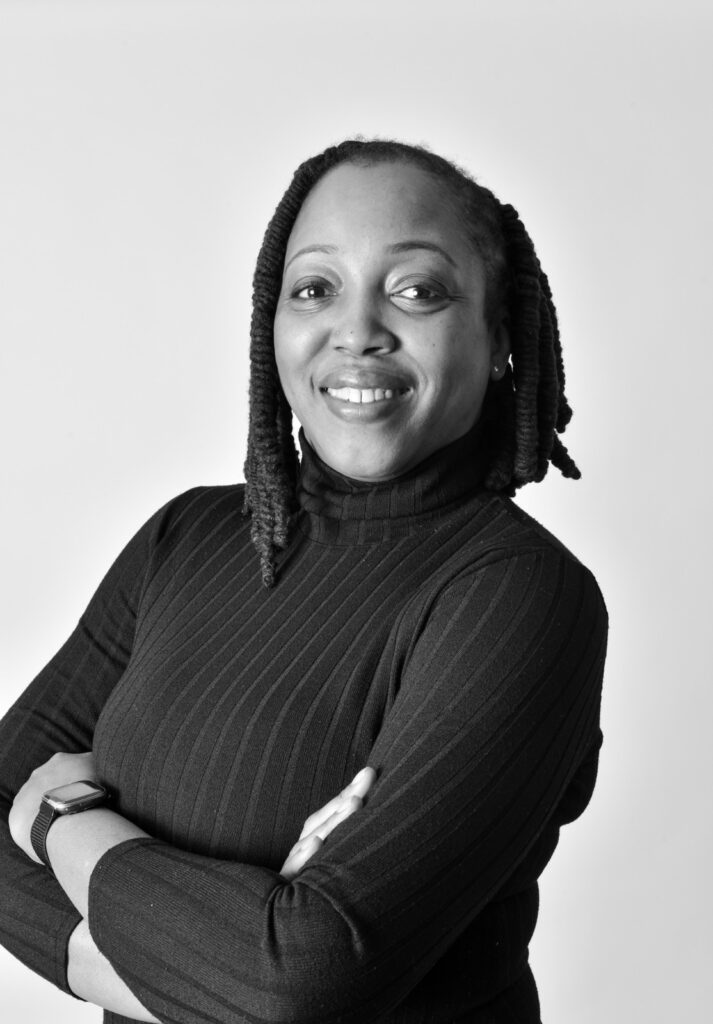
“There’s anti-Black racism attached to it too and that creates an additional stigma,” says Judy. “These kids carry so much. The disease itself, and then the weight of how society sees them.”
That’s why medically support camp programs matter.
Judy helped shape and strengthen the only medically supported overnight camp program for children with sickle cell disease in Canada, first with Camp Jumoke and then supporting the program transition to Campfire Circle, where she continues to serve as an advisor. For families affected by sickle cell disease, overnight camp was once unthinkable — financially inaccessible, culturally unfamiliar, and medically risky. Judy herself remembers the fear of letting her son out of her sight for the first time.
But camp changed everything.
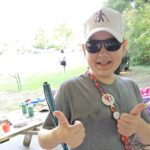
“My son was already a light, but his light was way brighter when he came home from camp for the first time,” she says. “He played in mud, he got dirty, and he had a blast. He was building self-esteem and building community—so many good things came out of going to camp. It was a safe space on many levels.”
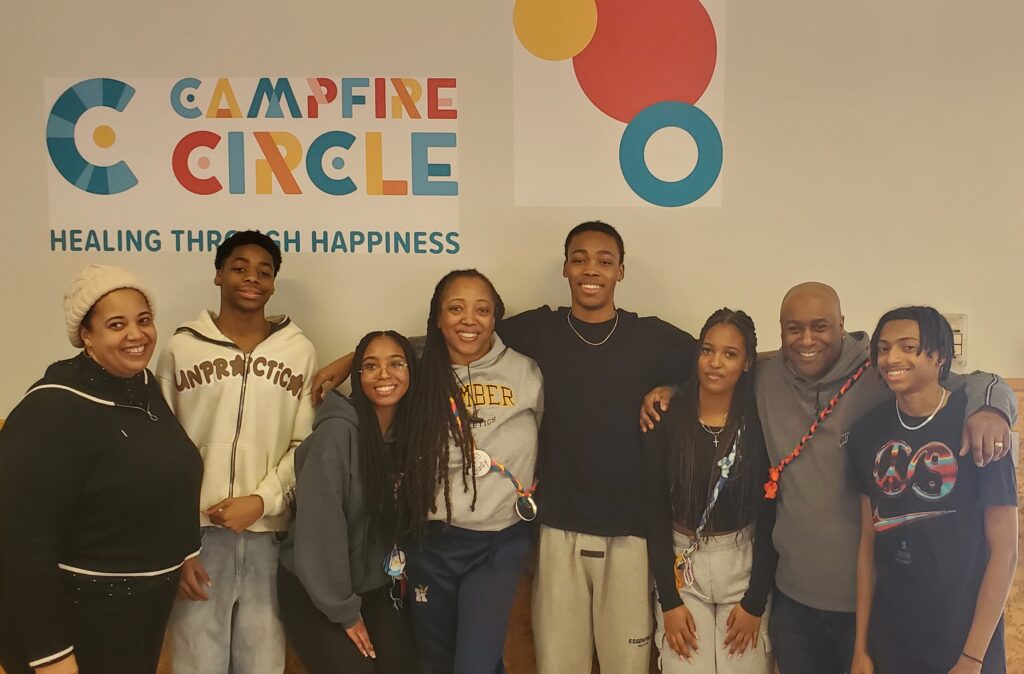
Campfire Circle’s partnership with the sickle cell community creates a space where all children with serious illness can feel safe and included, supported by medical teams who understand their condition. (Watch camp in action.)
Beyond camp, Judy has become a voice on national and provincial advocacy, working with healthcare leaders, contributing to Ontario’s Health Quality Standards for sickle cell care, and playing a role in the push for Bill S201, federal legislation that would establish a national framework of care for people with sickle cell disease.
Eighteen years into her journey, Judy is still advocating—for her son, for the wider community, and for a future where children with sickle cell disease are treated with dignity and compassion.
“In this month where we highlight the Black experience, I would love for people to think about how they see people, how they receive people, and how they try and understand others,” she says.
Judy also asks people to pay it forward. “As you learn something new about sickle cell disease, please take a moment to teach someone. That’s the only way that anyone is going to know and better understand it. We need to raise awareness. Any chance I get, I will speak about this illness and about my son’s experience and about my experience as a caregiver. Please share it.”
More News

Why One Nurse Calls Campfire...
Finding Community Through Tour d’Epicure
Finding Their Way Back to...
From Camper to Lifelong Community

Fourteen Incredible Summers, and Counting
Volunteering Changed Judi’s Perspective on...
From Transplant to Camp

Pizza With a Purpose: Domino’s...

From Family Camp to the...
New Memories and Nicknames

Sporting Life 10K 2026 Route...
Bringing Childhood to the Hospital

Turning Kilometres into Community

Running for Radda: A Family’s...

Learnings from the Canadian Medical...
From Camper to Nurse Volunteer

Volunteers – What Keeps them...
Rainbow Lake Family Camp

LCBO Holiday Campaign Brings Joy...

Finding Friendship at Camp

Bonfire Bash Raises $2.6 Million...

Finding Light in the Darkest...

Giving Back to Camp

Bid on a Canadian Creation...